Morgan Wine School - Welcome
Experience
Morgan Wine School is driven by a deep passion for wine and a desire to share the knowledge of the finest and rarest vineyards. With a professional approach, we guide participants on a journey of discovery, from the vine to the glass. Each experience is enriched with fascinating wine facts, exploring the winemaking process, grape care, and the magic that transforms every bottle into a unique product.
Pinot Noir
Sangiovese Sierra Folia
Nebbiolo
Castello di Neive
Chardonnay
Domaine Prieuré-Roch Blanc
The Art of Fine Wine
Wine is more than a beverage: it is a reflection of history, culture, and craftsmanship. Every exceptional bottle begins its journey in carefully selected vineyards, where the harmony between soil, climate, and tradition shapes a truly distinctive character. From the first vine to the final pour, each step is guided by dedication, patience, and an unwavering commitment to excellence.
Discover a world where luxury meets tradition, and where every bottle is an invitation to celebrate life’s finest moments with sophistication, character, and exceptional taste.
Returning from a Journey Through Liguria: A Hidden Gem in Winemaking
After a journey through the rolling hills of Liguria, I had the privilege of discovering a small, yet extraordinary winegrower, whose passion and dedication to his craft left me in awe. Deep in the heart of this coastal region, where the sea meets the mountains, I tasted a wine that spoke of the land itself – a Granaccia, expertly adapted to the unique terroir of these ancient soils.
The flavors were unlike any I had ever encountered. The vines, kissed by the salt of the sea, gave the wine an unmistakable freshness, while the delicate influence of the corbezzolo trees – with their wild, tangy berries – infused the wine with an unexpected richness. The contrast between the vines cultivated by the sea and those nurtured by the wind on the hillsides was striking. Each sip carried the essence of the land: the briny air, the rugged cliffs, and the warmth of the sun.
Visiting this small winery was a revelation. Here, in a hidden corner of Liguria, tradition and innovation dance in perfect harmony. It is not just the wine that impressed me, but the spirit of the person behind it. A dedicated artisan who works tirelessly, season after season, against the odds of nature and market forces, to produce a wine that speaks of place, of history, and of deep-rooted passion.
The effort, the sacrifices, and the devotion to the land are palpable in every bottle. The beauty of such a small, yet exquisite reality lies in the quiet excellence that comes from working with heart and soul. This is the essence of wine – a product born from the earth, but created by those who pour their heart into it, day after day.
To taste this wine, to visit this hidden corner of Liguria, is to feel the pulse of a small community that holds the true spirit of winemaking. It’s a story of resilience, of love for the land, and of creating something truly remarkable from a place where nature and hard work come together in the most beautiful of ways.
Climate Benefits for Grapes: Barbera, Nebbiolo, Dolcetto, and More
The Piedmont climate enables several native grape varieties, such as Barbera, Nebbiolo, Dolcetto, and Arneis, to reach their full potential. The Barbera grape, for instance, thrives in this climate, developing high acidity and intense aromatic richness with notes of red fruit, herbs, and spices, characteristic of the region’s wines.
The climate of Piedmont is the secret behind the region’s production of wines of excellence, allowing the true characteristics of the land to shine.
The Nebbiolo grape, known as the king of Piedmont’s varieties, benefits immensely from the region’s climate. The temperature variations between day and night contribute to the development of elegant tannins, which provide structure and aging capacity to Nebbiolo wines. Piedmont Nebbiolo is famous for its complexity, with aromas of roses, cherries, violets, and hints of spices, which evolve beautifully over time.
The Dolcetto grape, known for its easier-to-drink wines, also thrives in Piedmont’s cool nights and sunny days, producing wines that are both fruity and structured. Meanwhile, the white wine variety Arneis, grown in the cooler vineyards, benefits from the climate’s balance, resulting in wines with fresh acidity and floral aromas.
Harvest: A Crucial Moment
The Piedmont climate plays a significant role during the harvest, a key moment in winemaking. Late harvesting—typically between late September and October—ensures the grapes are picked at the optimal level of ripeness, with the right balance of sugars, acidity, and phenolic compounds.
The quality of the harvest is not only determined by the climate but also by the dedicated work of local growers, who monitor the grapes’ maturation with precision, selecting only the best for winemaking.
The Climate of Piedmont: A Valuable Ally for the Production of Excellence in Winemaking
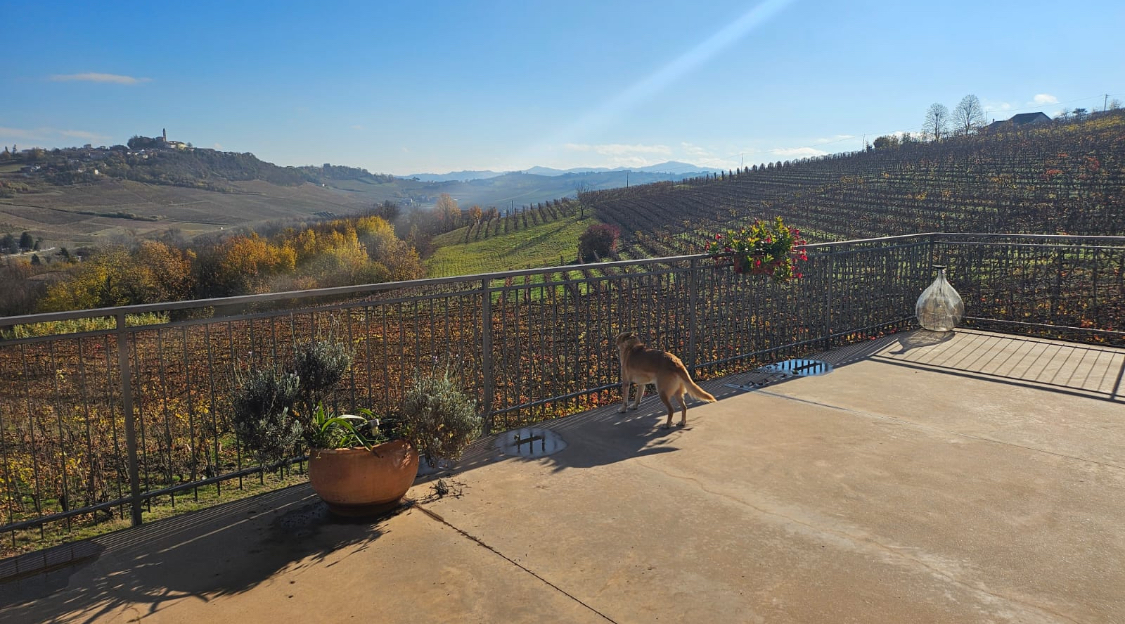
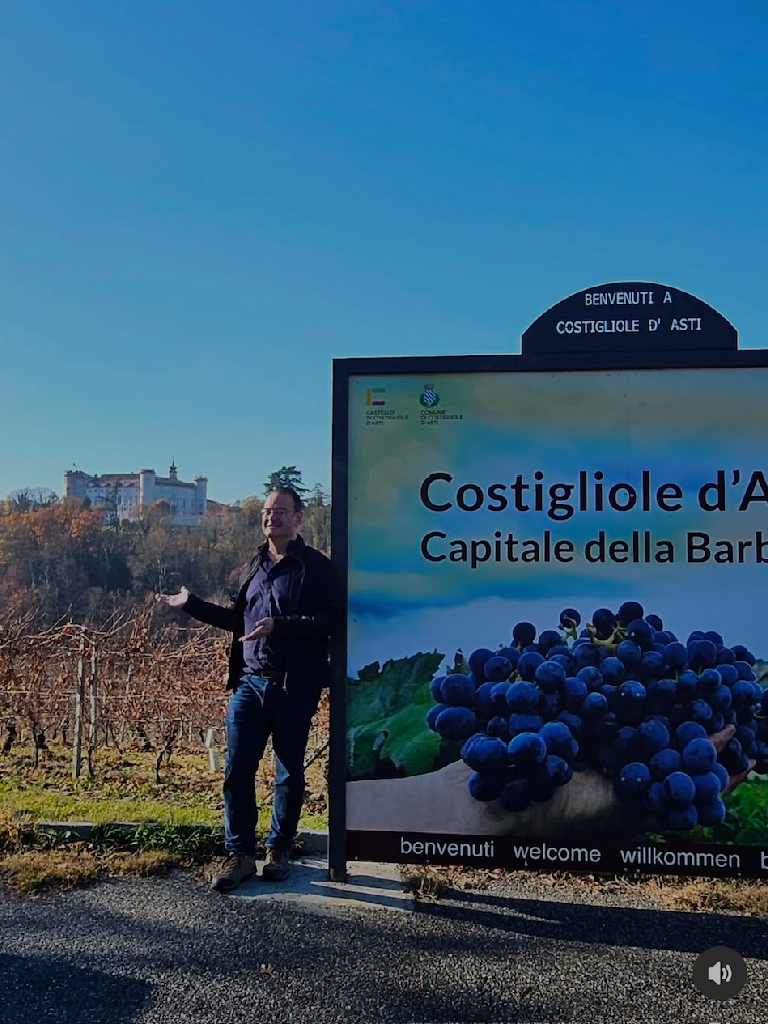
The rolling hills of Piedmont, one of Italy’s most celebrated wine regions, are not only rich in history and tradition but also blessed with a perfect terroir for viticulture. From the Langhe to Monferrato, this area enjoys a unique climate that plays a crucial role in producing wines of exceptional quality, recognized around the world.
The Piedmont Microclimate: A Perfect Combination
The vineyards of Piedmont are situated in hilly terrain that benefits from a variety of sun exposures, offering an ideal mix of climatic conditions for winemaking. The mild summer temperatures, combined with cold, dry winters, allow the vines to mature slowly and evenly. This gradual maturation process is essential for developing grapes with rich, complex aromatic profiles that form the foundation for elegant and well-balanced wines.
Cool nighttime temperatures following the warm summer days are another key factor. These temperature fluctuations help concentrate the aromas in the grapes while maintaining the fresh acidity, which is vital for the wine’s balance and aging potential.
Vineyards Among the Hills: Geography that Enhances Quality
Piedmont’s vineyards are predominantly located in hilly regions with gentle slopes that ensure excellent drainage and good air circulation. The combination of clay, limestone, and sandy soils allows vine roots to penetrate deeply, absorbing essential minerals and nutrients that enrich the grapes, giving them the structure and complexity they need.
This diversity of soils provides an opportunity for a wide range of grape varieties, but it’s the unique combination of climate and terroir that allows wines to express the true identity of the land.